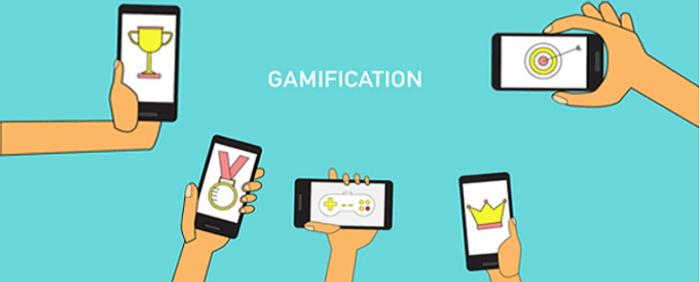
Gamification in education is revolutionizing the way students engage with learning, creating an environment where education feels less like a chore and more like an adventure. By integrating game-like elements into the curriculum, teachers can spark interest and motivate students to participate actively in their learning.
This approach not only makes lessons more enjoyable but also enhances retention and understanding, as students are encouraged to collaborate and compete in a fun, supportive setting. With the right strategies, gamification can transform traditional classrooms into dynamic learning spaces that cater to diverse learning styles.
Importance of Gamification in Education
Gamification has emerged as a crucial element in modern educational practices, reshaping how students learn and interact with content. By integrating game mechanics into educational settings, teachers can create more dynamic and engaging learning experiences. This approach not only makes learning more enjoyable but also encourages students to develop a deeper connection with the material being studied.The significance of gamification in education can be attributed to its ability to enhance student engagement and motivation.
By introducing elements such as points, badges, leaderboards, and challenges, gamification transforms traditional learning into an interactive experience. Students are more likely to participate actively in their learning when they feel a sense of competition or accomplishment. This method has been shown to improve knowledge retention and foster a positive attitude towards learning.
Enhancement of Student Engagement and Motivation
Engagement in the classroom is paramount for effective learning, and gamification serves as a powerful tool to increase student participation. By incorporating game-like elements, educators can capture students’ interests and make the learning process more enjoyable. Key factors that contribute to higher levels of engagement through gamification include:
- Immediate Feedback: Students receive instant responses to their actions, which helps them understand their progress and areas for improvement.
- Goal-Oriented Tasks: Setting clear objectives allows students to focus on achieving specific outcomes, enhancing their motivation to participate.
- Collaborative Learning: Many gamified strategies encourage teamwork, promoting social interaction and a sense of belonging among students.
- Personalization: Gamification can adapt to individual learning styles, allowing students to progress at their own pace and engage with content that resonates with them.
- Fun Learning Environment: Turning lessons into games reduces stress associated with assessments, making learning more enjoyable and less intimidating.
The implementation of these elements not only makes the learning experience more enjoyable but also encourages a culture of achievement within the classroom. When students are motivated to participate, they are more likely to take ownership of their education, leading to improved academic outcomes.
Key Elements of Effective Gamification Strategies
To successfully integrate gamification into educational practices, certain elements must be incorporated thoughtfully. These elements ensure that gamification strategies are effective and align with learning objectives.The following components are essential for creating a robust gamified learning environment:
- Clear Learning Objectives: Establish specific goals that the gamification strategy aims to achieve, ensuring that all activities align with curriculum standards.
- Progress Tracking: Implement systems that allow students to monitor their progress, fostering a sense of achievement and encouraging continued effort.
- Incentives and Rewards: Provide tangible rewards such as badges or points that recognize student accomplishments and motivate them to strive for excellence.
- Challenge Levels: Design varying levels of difficulty to cater to diverse student abilities, allowing all learners to experience success.
- Feedback Mechanisms: Create opportunities for students to receive constructive feedback, helping them understand their performance and areas for growth.
By carefully considering these elements, educators can create effective gamification strategies that enhance learning experiences and outcomes. Gamification not only promotes engagement but also builds essential skills such as problem-solving, critical thinking, and collaboration, preparing students for future challenges in a rapidly changing world.
Techniques and Tools for Implementing Gamification

Gamification in education harnesses game-like elements to enhance learning experiences, making them more engaging and effective. As educators increasingly adopt these strategies, understanding the various techniques and tools available can significantly impact student motivation and achievement. This section delves into popular gamification tools, methods for integrating gamification into lesson plans, and best practices for developing gamified assessments and feedback systems.
Popular Gamification Tools in Classrooms
Various tools enable educators to incorporate gamification into their teaching, each offering unique features that enhance the learning environment. Here are some of the most popular tools currently used:
- Kahoot!
-A game-based learning platform that allows educators to create quizzes and interactive games that students can participate in via their devices. Its vibrant interface and competitive nature make it popular among students. - Classcraft
-This platform turns the classroom into a role-playing game, where students can earn points for good behavior and teamwork. It encourages collaboration and personal growth in an immersive environment. - Quizizz
-Similar to Kahoot!, Quizizz enables teachers to create quizzes that students can complete at their own pace. The platform offers instant feedback and statistics to track progress. - Badgr
-A tool for managing and issuing digital badges that recognize student achievements. Badgr can motivate learners by providing tangible rewards for completing challenges.
Integrating Gamification into Lesson Plans
Effectively integrating gamification into lesson plans requires a thoughtful approach that aligns educational objectives with game mechanics. Here are some methods to guide this integration:
- Define clear learning goals that can be enhanced through gamification elements. This ensures the game mechanics serve educational purposes.
- Incorporate storytelling into lessons, allowing students to engage with the material on a deeper level. A narrative can create an immersive experience.
- Use points, levels, and badges to reward student progress and achievements. These elements can drive motivation and create a sense of accomplishment.
- Encourage collaboration through team-based challenges or projects, fostering a sense of community and shared responsibility among students.
Creating Gamified Assessments and Feedback Systems
Developing assessments and feedback systems that incorporate gamification can greatly enhance student engagement and learning outcomes. Here are some best practices for creating these systems:
- Design assessments that mimic game scenarios, allowing students to apply knowledge in practical situations. This approach can enhance critical thinking skills.
- Provide immediate feedback through interactive platforms, helping students understand their performance and areas for improvement.
- Use a variety of assessment formats, such as games, quizzes, and projects, to cater to different learning styles and keep students motivated.
- Incorporate self-assessment opportunities that allow students to reflect on their learning journey and set goals for future improvement.
Gamification is not just about adding game elements; it’s about enhancing the learning experience and making education more engaging and effective.
Challenges and Considerations in Gamification
Gamification in education presents an exciting opportunity to enhance learning experiences, but it does not come without its challenges. Educators need to navigate various obstacles when integrating game elements into their teaching practices. Understanding these challenges is crucial for effective implementation and maximizing the benefits of gamification.One major challenge educators face is the resistance from both students and colleagues who may be accustomed to traditional teaching methods.
The shift to a gamified approach requires not only a change in mindset but also adapting to new technologies and methodologies. Furthermore, there is often concern about the effectiveness of gamification in achieving educational objectives, as some may question whether game mechanics can truly enhance learning outcomes.
Overcoming Resistance to Gamification
Implementing gamification often meets with skepticism from educators who favor traditional teaching methods. To address this resistance, several strategies can be employed to foster a more open mindset towards gamification.
- Professional Development: Providing training sessions for educators can equip them with the necessary skills and understanding of gamification principles, making them more comfortable with the integration.
- Pilot Programs: Launching small-scale pilot programs allows educators to experience gamification firsthand, demonstrating its potential without requiring a full commitment initially.
- Showcasing Success Stories: Sharing case studies and examples of successful gamification implementations helps build credibility and illustrates the practical benefits of this approach.
In addition to addressing educator resistance, it’s essential to consider student perspectives. Engaging students in the design process can help tailor gamified elements to their interests, increasing buy-in and participation.
Effectiveness of Various Gamification Models
Different gamification models offer unique benefits and challenges, making it vital to choose the right one for specific educational contexts. Here are a few prominent models:
- Points, Badges, and Leaderboards (PBL): This model encourages competition and motivation by rewarding students with points and badges for completing tasks. It is particularly effective in environments that thrive on competitive spirit.
- Narrative and Storytelling: Incorporating narratives into learning can engage students emotionally, making lessons more memorable. This model works well in subjects like literature or history, where storytelling enhances understanding.
- Role-Playing Games (RPG): RPGs immerse students in complex scenarios that require critical thinking and problem-solving. This approach is beneficial in subjects like science or social studies, where students can explore real-world applications.
Each model can be tailored to fit the specific needs of a classroom, and their effectiveness can vary widely based on the subject matter and student demographics. Analyzing the context and objectives of the course will help in selecting the most suitable gamification model.
“Gamification is not just about adding game elements; it is about fostering a learning environment that is engaging, interactive, and meaningful.”
Last Point
In summary, gamification in education presents both exciting opportunities and unique challenges. When implemented thoughtfully, it has the potential to significantly enhance student engagement, motivation, and academic performance. As educators continue to explore these innovative techniques, the future of learning looks promising, paving the way for a more interactive and enjoyable educational experience.
Frequently Asked Questions
What is gamification in education?
Gamification in education involves incorporating game-like elements into the learning process to enhance student engagement and motivation.
How does gamification improve student motivation?
It taps into the natural desires for competition, achievement, and social interaction, making learning more appealing and rewarding.
What are some popular gamification tools?
Some popular tools include Kahoot!, Classcraft, and Quizizz, which help teachers create interactive lessons and assessments.
Can gamification be used in all subjects?
Yes, gamification can be adapted to fit various subjects and topics, making it versatile for different educational contexts.
What challenges might educators face with gamification?
Challenges may include resistance from students or faculty, difficulty in integration with existing curricula, and ensuring that gamification aligns with learning objectives.