Collaborative learning platforms are revolutionizing the way we engage in education. These platforms create interactive environments where students can work together, share ideas, and enhance their learning experiences. With the growing emphasis on teamwork and communication skills in today’s job market, the importance of these platforms cannot be overstated.
By integrating various technologies and functionalities, collaborative learning platforms not only make education more accessible but also foster a sense of community among learners. From forums to real-time project collaboration, they cater to diverse learning styles and needs, ultimately paving the way for more effective educational practices.
Understanding Collaborative Learning Platforms
Collaborative learning platforms have emerged as vital tools in contemporary education, enabling learners to connect, share, and grow together. These platforms foster a dynamic learning environment where students can engage in interactive discussions, group projects, and collective problem-solving, enhancing their educational experience and preparing them for the collaborative nature of the modern workforce.Collaborative learning platforms are digital spaces where individuals can come together to learn, share knowledge, and work on projects collectively.
These platforms capitalize on the principles of social learning and constructivism, allowing participants to contribute their unique perspectives and skills. Their importance in education lies in promoting teamwork, communication, and critical thinking skills among students. In addition, they provide an opportunity for diverse groups to work together, enriching the learning experience through varied viewpoints and ideas.
Types of Collaborative Learning Platforms
There are several types of collaborative learning platforms, each designed to meet different educational needs. Understanding these types can assist educators in selecting the right tools for their learners. The main categories include:
- Learning Management Systems (LMS): These platforms provide a comprehensive environment for managing educational courses, allowing for the integration of collaborative tools like discussion forums, quizzes, and file sharing.
- Virtual Classrooms: Virtual classrooms facilitate real-time interaction among students and educators, enabling live lectures, breakout sessions, and collaborative activities via video conferencing technology.
- Project Management Tools: These tools are designed for group projects, offering features such as task assignment, timeline tracking, and collaborative document editing to streamline teamwork.
- Social Learning Platforms: These platforms leverage social media principles, allowing users to create, share, and discuss content within a community setting, fostering peer-to-peer learning.
Essential Features of Effective Collaborative Learning Platforms
To maximize the effectiveness of collaborative learning platforms, certain features are essential. These features enhance user experience and ensure that the learning objectives are met.
- User-Friendly Interface: A clear and intuitive interface encourages user engagement, allowing participants to navigate the platform easily and focus on learning rather than troubleshooting.
- Communication Tools: Built-in chat, video conferencing, and messaging features facilitate seamless communication, enabling real-time discussions and feedback.
- Resource Sharing Capabilities: Platforms should allow users to upload, share, and access resources such as documents, presentations, and multimedia content to support collaborative work.
- Progress Tracking and Analytics: Effective platforms provide tools for tracking user engagement and learning progress, allowing instructors to assess participation and adapt their teaching strategies accordingly.
- Integration with Other Tools: The ability to integrate with other educational technologies enhances the platform’s functionality, enabling users to leverage various tools for a more comprehensive learning experience.
“Collaborative learning platforms fundamentally transform the educational landscape by emphasizing teamwork and shared knowledge.”
Benefits of Collaborative Learning Platforms in Education
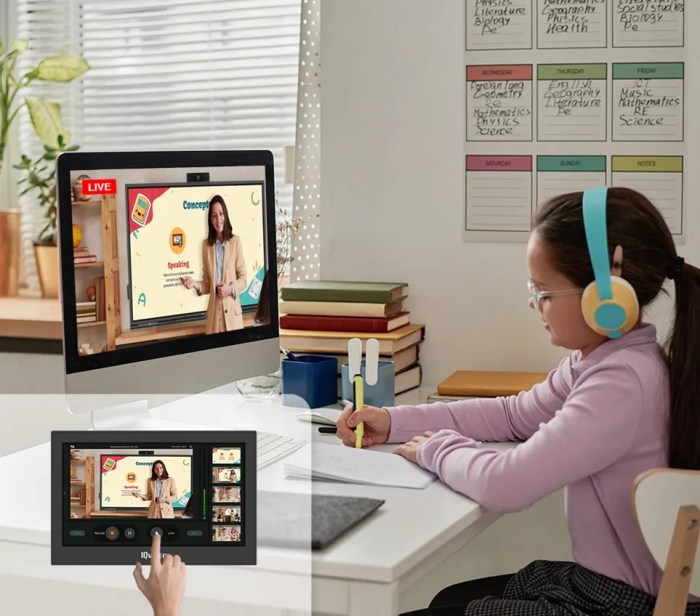
Collaborative learning platforms are transforming the educational landscape by fostering teamwork, enhancing student engagement, and promoting effective learning experiences. These platforms create an environment where students can interact, share ideas, and work together towards common academic goals, all while utilizing technology to bridge geographical barriers.Collaborative learning platforms boost student engagement and motivation by making learning more dynamic and interactive. The use of gamification, real-time feedback, and peer-to-peer interactions encourages students to take an active role in their education, which can lead to improved retention of knowledge and skills.
For instance, platforms like Google Classroom and Microsoft Teams allow students to engage in discussions, collaborate on projects, and receive immediate feedback from peers and teachers. This instant connectivity fosters a sense of community among learners, further driving their motivation to participate actively in their educational journey.
Successful Implementations of Collaborative Learning Platforms
Numerous educational institutions have successfully integrated collaborative learning platforms into their curricula, leading to enhanced learning outcomes. For example:
- Khan Academy has utilized collaborative tools that allow students to form study groups and engage in discussions, resulting in increased understanding of complex concepts.
- Edmodo provides a social learning environment where students can share resources, collaborate on assignments, and communicate effectively with their peers and instructors. Schools using Edmodo have reported higher student satisfaction and improved academic performance.
- Slack has been adopted by various universities for group projects, facilitating real-time communication and file sharing among students. This has led to more cohesive teamwork and improved project outcomes.
These examples showcase how collaborative learning platforms can create engaging educational experiences that promote a sense of belonging and enhance academic success.
Challenges and Solutions in Using Collaborative Learning Platforms
While the benefits of collaborative learning platforms are evident, educators may encounter several challenges during implementation. Understanding these challenges and identifying potential solutions can help maximize the effectiveness of these platforms. Key challenges include:
Technology Access
Not all students may have access to the necessary technology or reliable internet.
*Solution*
Schools can provide devices or partner with local organizations to ensure all students have the tools they need for participation.
Student Engagement
Some students may feel hesitant to engage in a collaborative setting, particularly in online environments.
*Solution*
Instructors can establish clear expectations, create inclusive activities, and encourage a culture of respect to foster participation.
Assessment Difficulties
It can be challenging to assess individual contributions in group work.
*Solution*
Utilizing peer assessments and reflective journals can help educators gauge individual performance within collaborative projects.
Digital Literacy
Not all students possess the same level of digital skills, which can hinder effective collaboration.
*Solution*
Offering training sessions on how to use the platforms effectively can level the playing field, ensuring all students are equipped to collaborate successfully.Navigating these challenges proactively can lead to more successful adoption and use of collaborative learning platforms in educational settings, ultimately enriching the learning experience for all students.
Future Trends in Collaborative Learning Platforms
The landscape of education is rapidly evolving, primarily driven by advancements in technology and the increasing demand for flexible, engaging learning environments. Collaborative learning platforms are at the forefront of this transformation, offering innovative ways for students to interact, share knowledge, and work together on projects. As we look ahead, several key trends are expected to shape the future of these platforms, enhancing their effectiveness and accessibility.
Technological Advancements Shaping Collaborative Learning
Emerging technologies are revolutionizing the way collaborative learning takes place. Key advancements include the integration of artificial intelligence (AI), virtual reality (VR), and augmented reality (AR) in educational settings. These technologies create immersive environments where students can collaborate in real-time, regardless of geographical barriers.
Artificial Intelligence
AI can personalize learning experiences by analyzing student interactions and adapting content to suit individual needs. This capability ensures that students receive tailored support, enhancing their collaborative efforts.
Virtual and Augmented Reality
VR and AR technologies offer interactive simulations that facilitate experiential learning. For instance, students can participate in virtual labs or field trips, providing a rich context for collaboration.
Blockchain Technology
This technology promotes transparency and trust in collaborative projects, enabling secure sharing of resources and academic credentials. Educational institutions can leverage blockchain to verify student achievements and facilitate peer-to-peer learning.
“Emerging technologies empower students to collaborate in ways that were previously unimaginable, bridging gaps in knowledge and location.”
Impact of Mobile Learning on Accessibility
The rise of mobile learning has significantly increased accessibility to collaborative learning platforms. As smartphones and tablets become ubiquitous, students can engage in collaborative activities anytime and anywhere, breaking the confines of traditional classroom settings.
Increased Engagement
Mobile platforms encourage on-the-go learning and immediate access to resources, fostering a culture of continuous collaboration.
Diverse Learning Styles
Mobile learning accommodates various learning preferences, allowing students to interact through multimedia resources, discussion forums, and social media integrations.
Real-Time Communication
Instant messaging and video conferencing features on mobile devices enable seamless communication among group members, enhancing coordination and teamwork.
Roadmap for Integration into Educational Institutions
For educational institutions looking to incorporate collaborative learning platforms into their curriculum, a structured roadmap can facilitate a smooth transition. This roadmap should encompass several critical steps:
1. Assessment of Needs
Identify the specific needs of students and faculty in terms of collaboration and communication tools.
2. Selection of Platforms
Choose collaborative learning platforms that align with the institution’s educational goals and technological capabilities.
3. Training and Support
Provide training for educators and students to ensure they can effectively utilize the platforms. Continuous technical support should also be available.
4. Integration into Curriculum
Develop strategies to integrate collaborative learning into existing courses, encouraging project-based assignments that leverage the chosen platforms.
5. Evaluation and Feedback
Regularly evaluate the effectiveness of the collaborative learning initiatives through surveys and performance metrics, allowing for adjustments and improvements.
6. Sustained Development
Encourage ongoing professional development for educators to keep up with technological trends and enhance their instructional strategies.
“A strategic approach to integrating collaborative learning platforms can transform educational experiences, fostering innovation and teamwork among students.”
Outcome Summary
In conclusion, the potential of collaborative learning platforms extends far beyond mere group work; they are crucial in shaping a new educational landscape. As we look to the future, it’s clear that embracing these platforms is essential for educational institutions aiming to cultivate a collaborative, innovative, and adaptable learning environment. The journey has just begun, and the possibilities are limitless.
Quick FAQs
What are collaborative learning platforms?
Collaborative learning platforms are digital tools that facilitate group learning through shared resources and interactive communication.
How do collaborative learning platforms benefit students?
They enhance student engagement, promote peer learning, and improve motivation through interactive and participatory learning experiences.
What challenges might educators face with these platforms?
Challenges include technological issues, resistance to change, and the need for adequate training, which can be addressed through training and tech support.
Can mobile devices be used effectively with collaborative learning platforms?
Yes, mobile devices enhance accessibility and allow students to engage with collaborative learning platforms anytime and anywhere.
What future trends should we expect in collaborative learning platforms?
Innovations like AI integration, gamification, and increased focus on personalized learning experiences are shaping the future of these platforms.